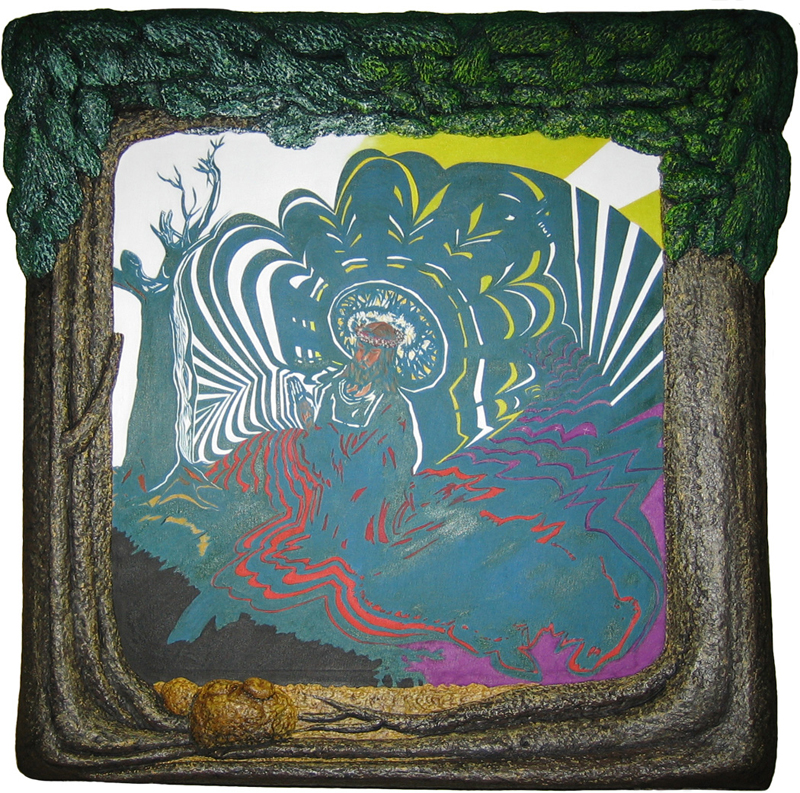
Luke 11:1-13
Lord, teach us to pray.
God bless the disciple who asked, no, demanded this lesson from Jesus. We don’t know how to pray, Lord, teach us. It is such a simple thing, and such a vulnerable thing for a religious person to admit. And yet, I hear it again and again in my ministry. So many of us, I would argue most of us, don’t know how to pray. We might not even really understand the point. Doesn’t God know our hearts and minds already? Doesn’t God know what we want and need before we even think to ask? And then there’s the really hard question- why are some prayers answered, and not others? Why do some healing prayers lead to recovery, and others don’t? Why, at a time when so many people of so many faiths are praying fervently for peace, do we continue to see violence and war and famine? What is the point in prayer, if it does not change the world?
Lord, teach us to pray.
The version of what we call the Lord’s prayer in Luke sounds a little different from what we’re used to. It’s shorter, the wording doesn’t quite line up with our memorized King James version, there are some pieces missing. But Luke catches the big things. We address God as Father, as parent, and give glory to God’s name. We ask that God’s kingdom come. We ask that each day we might receive our daily bread. We ask for forgiveness, and acknowledge our obligation to forgive others. We ask to be spared trials. Stripped down to the basics, this prayer Jesus teaches his disciples addresses nearly every aspect of human life. Our relationship with God? Check. A renewed world in the form of God’s kingdom coming near? Check. The needs of our bodies? Check. Recognition of our failings and the ways we steward our relationships with others? Check. Salvation? Check. It’s all there. It’s no wonder this is the prayer we teach our children, maybe one of the first things we ourselves memorized that wasn’t a song or a storybook. If we only prayed this prayer every day for the rest of our lives, we would have managed to pray about everything.
I wonder if we realize this, when we say these words we know by heart. I wonder if we see our prayers for peace in “thy kingdom come.” I wonder if we see our prayers for the people starving in Gaza and around the world and down the street in “Give us this day our daily bread.” If we see our prayers for our broken relationships and our regrets and the ways we’ve been hurt and the ways we’ve hurt others in “Forgive us our sins as we forgive those who sin against us.” When I pray “lead us not into temptation but deliver us from evil,” I feel my prayers for the people I love who are trying every day to stay sober despite every temptation, I see my prayers for people who desperately need deliverance from evil systems and the injustices those systems inflict upon them. For the kingdom, the power, and the glory are God’s, forever and ever. And if the kingdom and the power and the glory belong to God, then they do not belong to a person, or a position, or a country. They belong to God, our Father in heaven, whose name is hallowed and whose kingdom comes. Amen.
I recently heard someone say that every prayer is answered, even if it’s not the way we hoped. I understand the sentiment, but I’m not sure that’s quite what I believe. I think when we think of answered prayer, we think of a 1 to 1 agreement between what we wanted and what we got, between what we hoped for and what happened. If we pray for a parking spot near the door and we find one, we call that an answered prayer. If we pray for someone to recover well from surgery, and they come out on the other side okay, we say our prayers have been answered. If we pray for a child that never comes, or for a job we don’t get, or for world peace while missiles hurtle through the sky, we might say that’s unanswered prayer. The thing we asked for did not materialize in the way we wanted, in the time frame we planned. But that’s not really prayer, is it? That’s transactional, that’s putting the coin in the machine and expecting to get the specific soda we paid for. That’s wishing, treating God like a genie that will give us what we ask for if we only word it just right, if we pray hard enough and for long enough. Our God is bigger than that, and so is our relationship with him.
I don’t think I believe every prayer is answered. I do believe that every prayer receives a response. A prayer is not something that floats out into space like a message in a bottle thrown into the ocean, with no particular destination in mind and no expectation of a reply. We are not posting our prayers anonymously on a long-defunct message board, or scrawling them like graffiti into journals no one will ever read. When we pray, we are continuing a conversation that was begun at the moment we began to be. Every time we pray, we are turning toward a conversation partner who has been patiently and joyfully awaiting our return. And that conversation is mutual, two-way communication with the Love at the center of everything.
When we pray, there is a temptation to do all the talking, to toss our fears and hopes and desires and petitions at God and then say Amen and goodnight. Is that how we treat our friends, our partners, our loved ones? Or do we listen, ask questions, notice subtle changes in the other person’s tone, expressions, posture? God our Father, God our friend, God our loved one desires to be in relationship with us, and that means letting God get a word in edgewise from time to time, just as we do the people in our lives. And just as we take on the mannerisms, accents, and beloved stories of the people close to us after many hours of conversation, so too we might start to talk, and think, and maybe even act a little more like our God after spending more intentional time in prayer with him.
Lord, teach us to pray. Not just what to say, but how to listen, and how to act. Teach us how to hallow your name, how to bring your kingdom to earth. Shape our wills to align with yours, so that we might practice what we preach. Show us who is hungry, and give us generous hearts to share our daily bread. Forgive us, so that we can know the importance of forgiving others. Save us from the things that test us and lead us astray. Deliver us, all of us. Let our prayers change us, so that we can change the world.
 Mother A Writes