Luke 2:(1-7) 8-20
If I were to start off with “once upon a time…,” it would probably signal certain things to you about what comes next. A fairy tale, a myth, a legend. Not necessarily true in the literal sense, but meaningful and maybe even instructive. If I were to say “a long time ago in a galaxy far far away” you might have a different genre in mind, but still you would probably settle in for a fictional narrative taking place in an imaginary world.
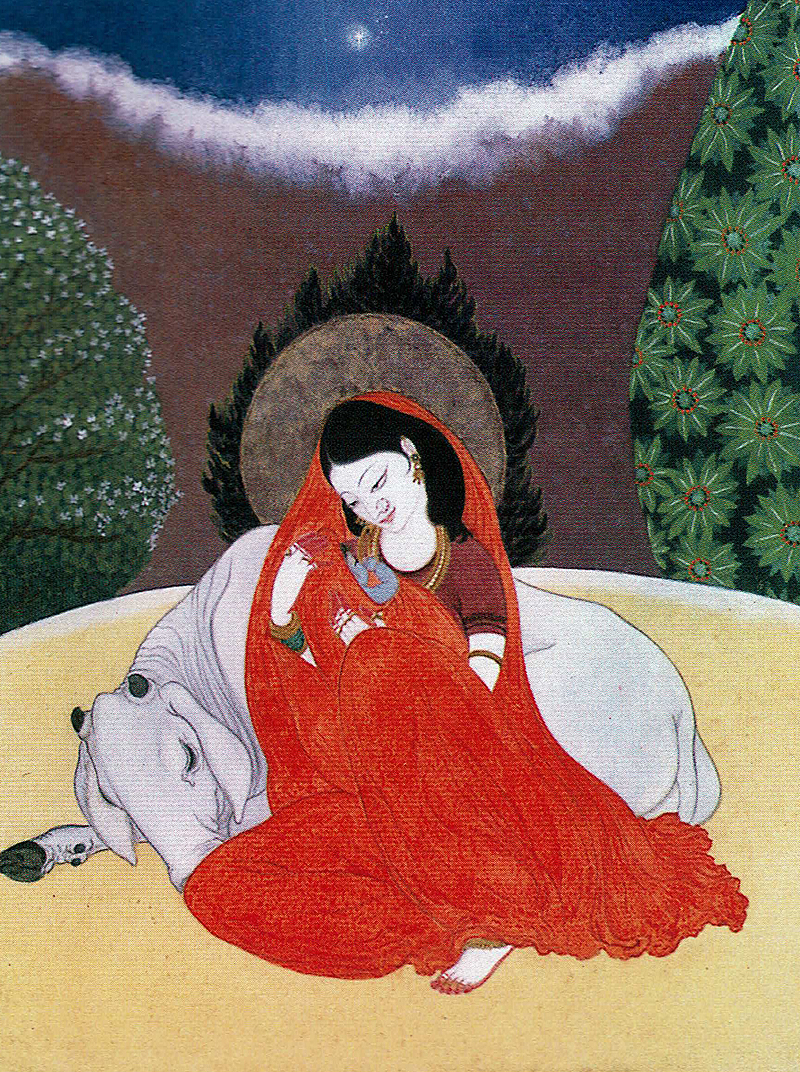
We have heard the story of Christ’s birth so many times and often in such dramatized fashion that we might as well begin with “once upon a time” or “a long time ago in a land far far away.” Live nativities, artistic interpretations, children’s toys, Christmas pageants and nativity plays often lean in to the storybook quality of the Christmas story. The details and aftermath of labor are glossed over, the baby is almost always several months older and several pounds larger than an actual newborn, Mary and Joseph are often awkward teenagers who unknowingly capture the awkwardness and tension of two young people whose marriage was likely arranged by their families and who are now suddenly coparents. Of course in the US the people in the scene are almost never visibly Jewish or Middle Eastern, although more modern and contemporary depictions are trying to change that. Most of us, in general, hear the first lines of Luke’s telling of the birth of Christ, and our minds settle in to fairy tale mode, ready to receive a nice story with a moral lesson and hopefully a happy ending.
There are parts of the Bible that do begin that way, with words or phrases that signaled to their first audiences that what followed was more instructive than factual. Biblical authors were on the whole much less concerned with literalism or historicity than we are today, instead prioritizing meaning and impact and cultural memory. Like the wizards of impossible age and the knights and maidens of incredible bravery and purity of heart from our fairy tales, the most important people depicted in the scriptures are often described as exceptional, even exaggerated. Abraham lived to an unfathomable 175 years of age. Moses reached the ripe old age of 120. David had beautiful eyes and incredible aim with a slingshot. Goliath was a giant who gets bigger every time we tell that story. Job was more righteous and more patient and more faithful than most human beings are capable of, and somehow managed to live over 200 years despite all he suffered and all he lost. This is not to say that none of these people really existed in history, or that anything is impossible with God. But these details do lend themselves to tales told around a fire, not so much chapters in a textbook.
Luke very intentionally begins his story a different way than the fairy tales and fables of old. “In those days a decree went out from Emperor Augustus that all the world should be registered. This was the first registration and was taken while Quirinius was governor of Syria“. Time. Place. Names of important historical figures. Luke situates us in time and place, signaling the importance and historicity of the events to follow. It is important to him that we know who was Emperor, who was governor, where this story takes place. He tells us the Holy Family’s hometown and the town where Joseph’s ancestors were from. He tells us that all the miracles we have already heard and are about to hear take place in the context of a census and the internal migration it triggers. He tells us who is in power in the earthly sense, who the politicians and authorities are, so that we can understand the stakes. This family is displaced and vulnerable, this child is born under foreign occupation and has lived in 3 different places before he can speak in sentences. This story is real, and true, and happens in a place we can name and travel to and touch.
Unlike some preachers, I do not spend a lot of energy or time worrying about whether every detail in the Bible is literally factual in the way that we understand fact and fiction in our modern post-enlightenment world. I believe that the Bible is true, and that truth can be found in myths and legends and fairy tales as much as it can in history and eye witness testimony. Sometimes I think there is more truth in good fiction than there is on the nightly news. But I do believe, and the multiple perspectives of the Gospels attest, that the birth and life and death and resurrection of Jesus are both true and historical. I believe that is what Luke had in mind when he situated us in Bethlehem during the reign of Emperor Augustus while Quirinius was governor of Syria.
What we are hearing is not a fairy tale, not a moral fable or a tall tale. It is true, and real, and historical. It happened in the same world, on the same planet, in the same reality in which we live and move. It happened in a place that still exists, where people still live and love and buy groceries and tend gardens. It happened to a people whose descendants still walk the earth, diminished in number by centuries of bigotry and violence. It happened in a place that is still today impacted by a history of empire and occupation and military presence just as it was when Quirinius was governor of Syria. A baby was born there, and babies continue to be born there, sometimes with the same threat of violence that once hung over the Holy Family. This story is real, and true, and it is not over.
We know that this is not a fairy tale, because we are part of it. This story affects us, shapes us, defines us. We are the people who tell this story, who remember Mary and Joseph and Mary’s son Jesus. We are the people who claim that the baby in the manger came to save us, and that he succeeded, even when the powers and principalities of the world thought they had defeated him. This is our story, and it is not over. Today, we remember how it began, under the reign of Emporer Augustus, when Quirinius was governor of Syria, in a land we call holy. Our history, salvation history, starts here. And it is a beautiful beginning indeed.
 Mother A Writes